Short Parable
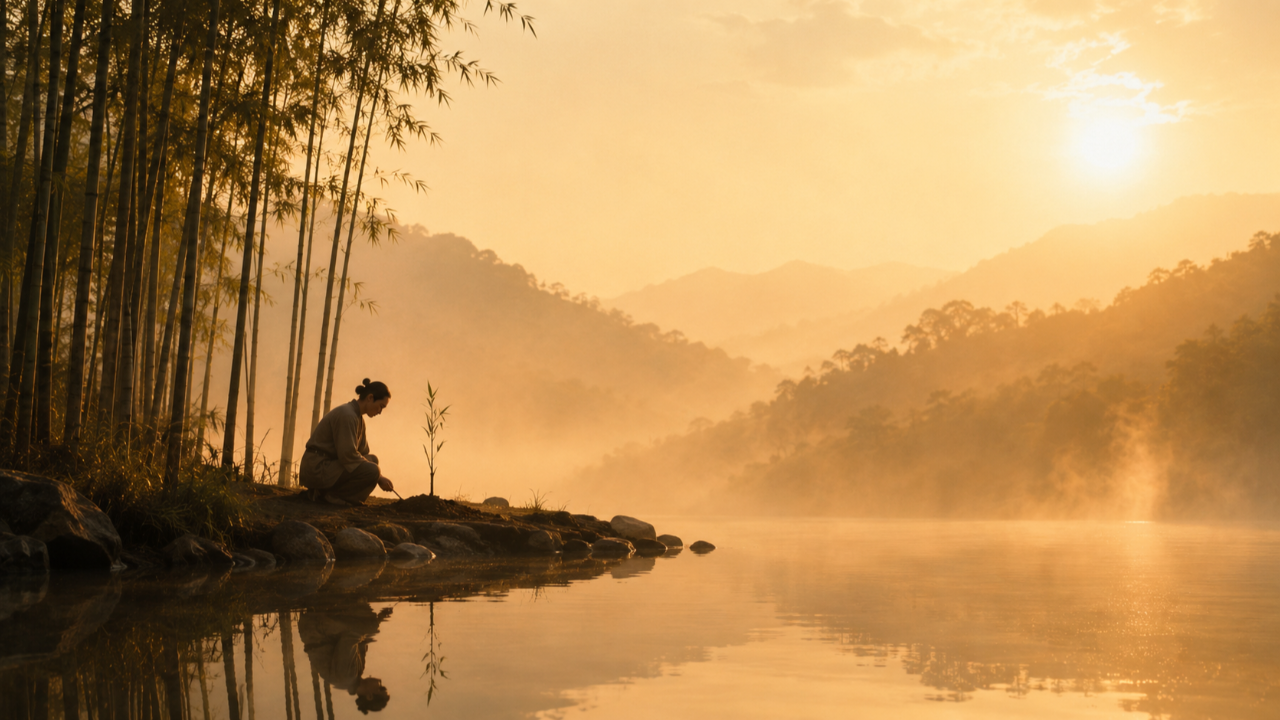
A young gardener planted a bamboo seed beside the river.
Every morning, he walked to the same place before sunrise.
He watered the soil.
He removed the weeds.
He protected the small space from stones and heavy footsteps.
But nothing appeared.
One week passed.
Then one month.
...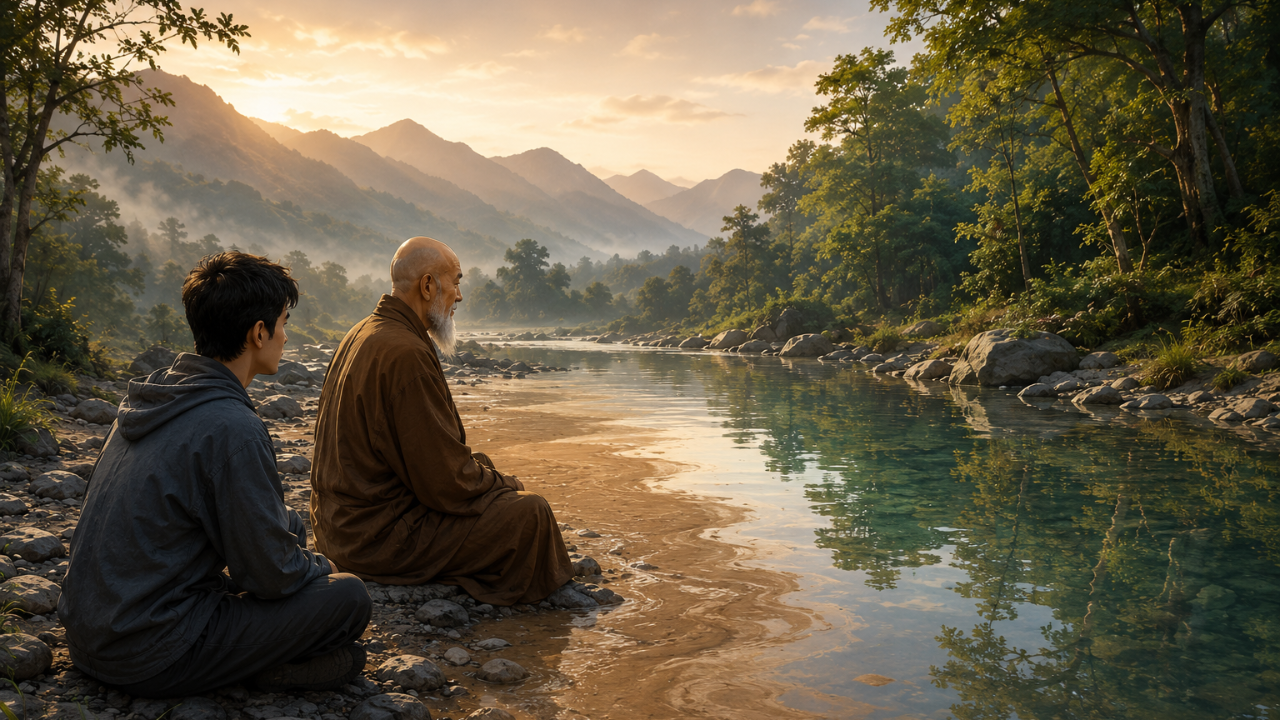
A young student traveled through the mountains to learn from a Zen master.
One day, while walking beside a river, he saw the master stop and stare at the water.
The river was muddy from a recent storm.
The student asked:
“Master, how can I see my reflection in that water?”
The master replied:
...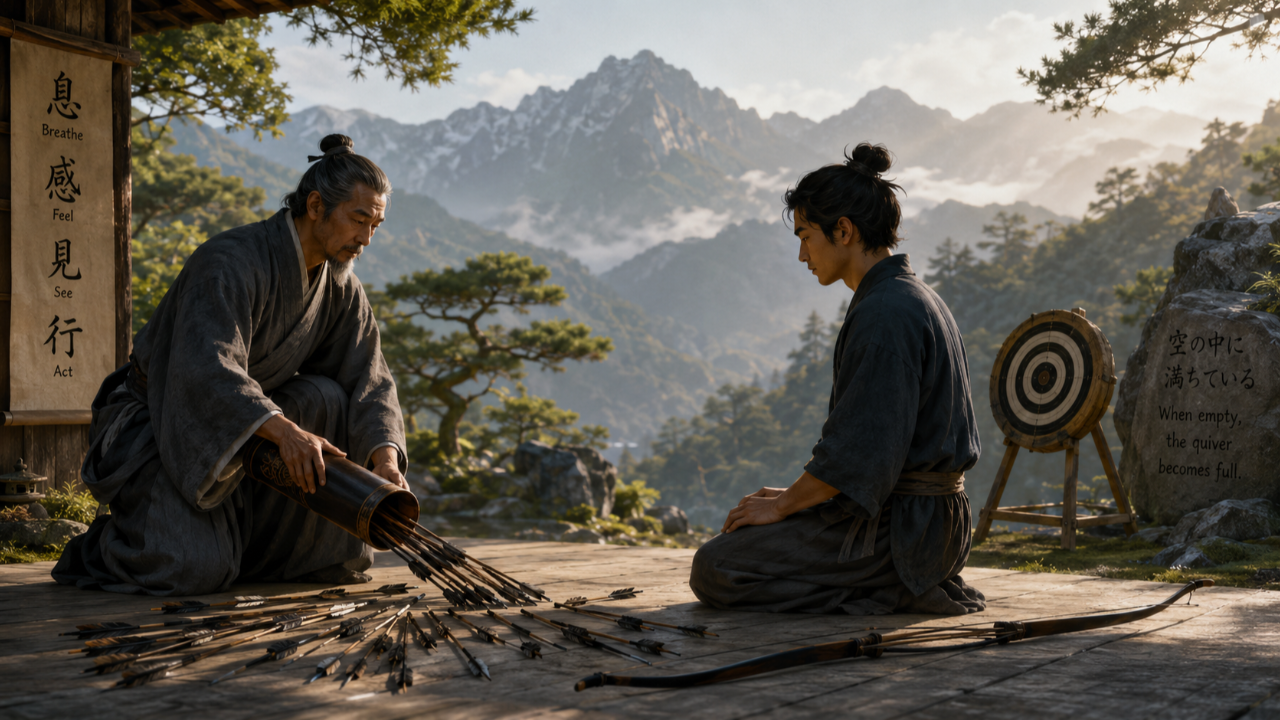
A young archer traveled to the mountains to learn from a Zen master.
"I want to become the best archer in the land," he said.
The master nodded and handed him a bow.
For months, the student practiced.
Every day he asked:
"How is my technique?"
"Good."
"How is my aim?"
"Good."
"How is my p...
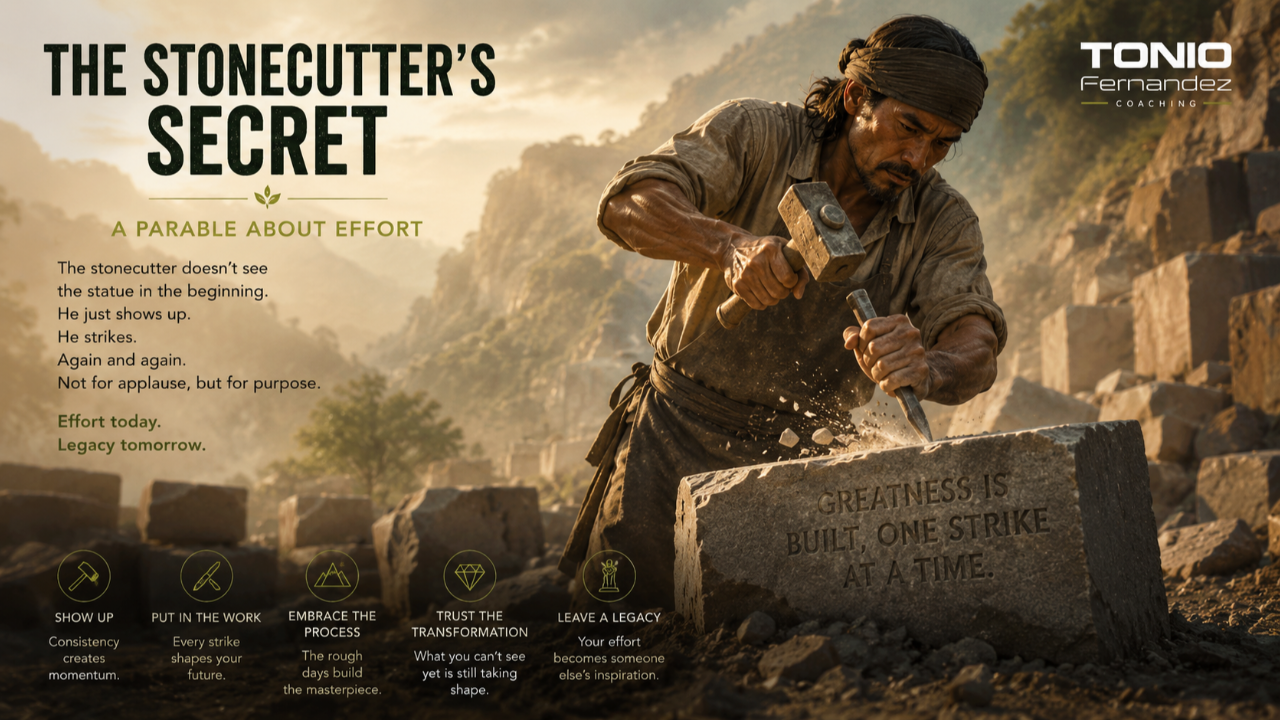
A parable about Effort 💪
A young apprentice watched an old stonecutter working on a massive rock.
For hours, the stonecutter struck the stone with his hammer.
One hit.
Two hits.
Fifty hits.
One hundred hits.
Nothing happened.
The apprentice finally asked,
"Why do you keep hitting it? It isn...
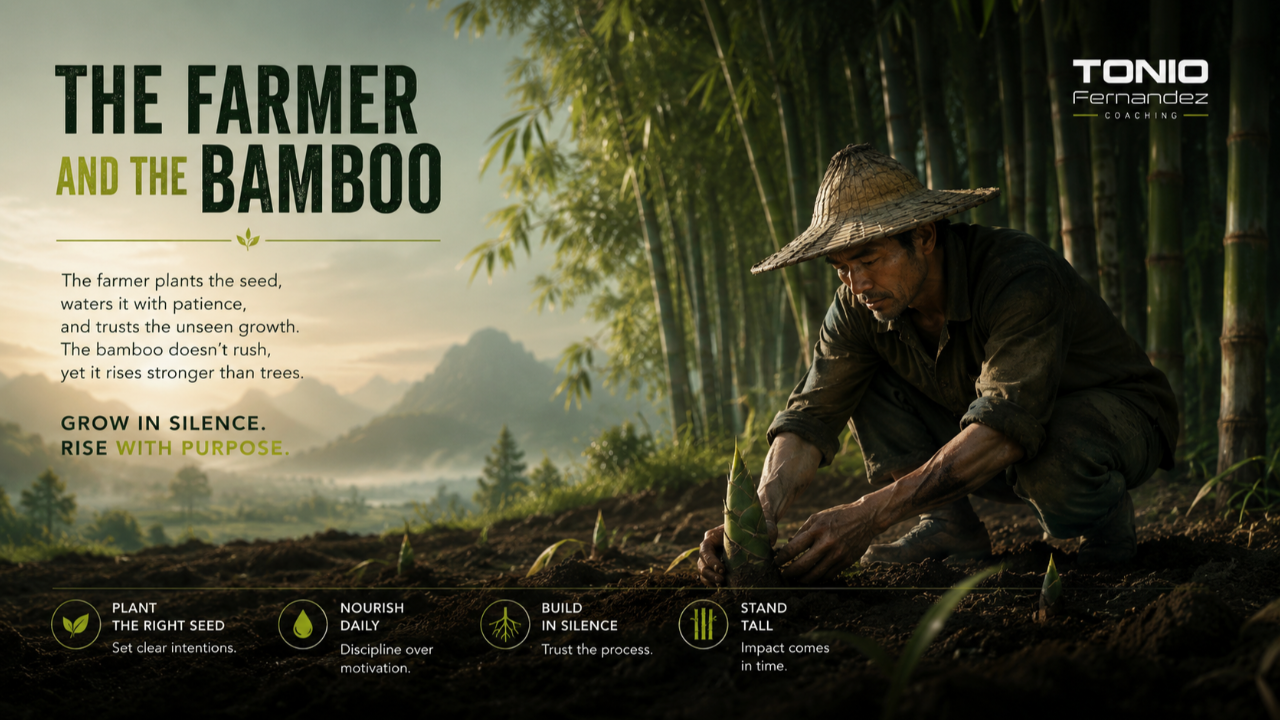
A young farmer planted bamboo seeds.
Every day he watered the soil.
After one year, nothing appeared.
After two years, nothing appeared.
After three years, still nothing.
His neighbors laughed.
"You are watering dirt," they said.
But the farmer continued.
Then, during the fifth year, the b...

A young warrior traveled to a Zen master and said:
"Master, when I enter important battles, my mind becomes noisy. I feel pressure, fear, tension in my body. Teach me how to remove these things."
The master quietly handed him a cup of tea and said:
"Walk with this through the mountain during the ...
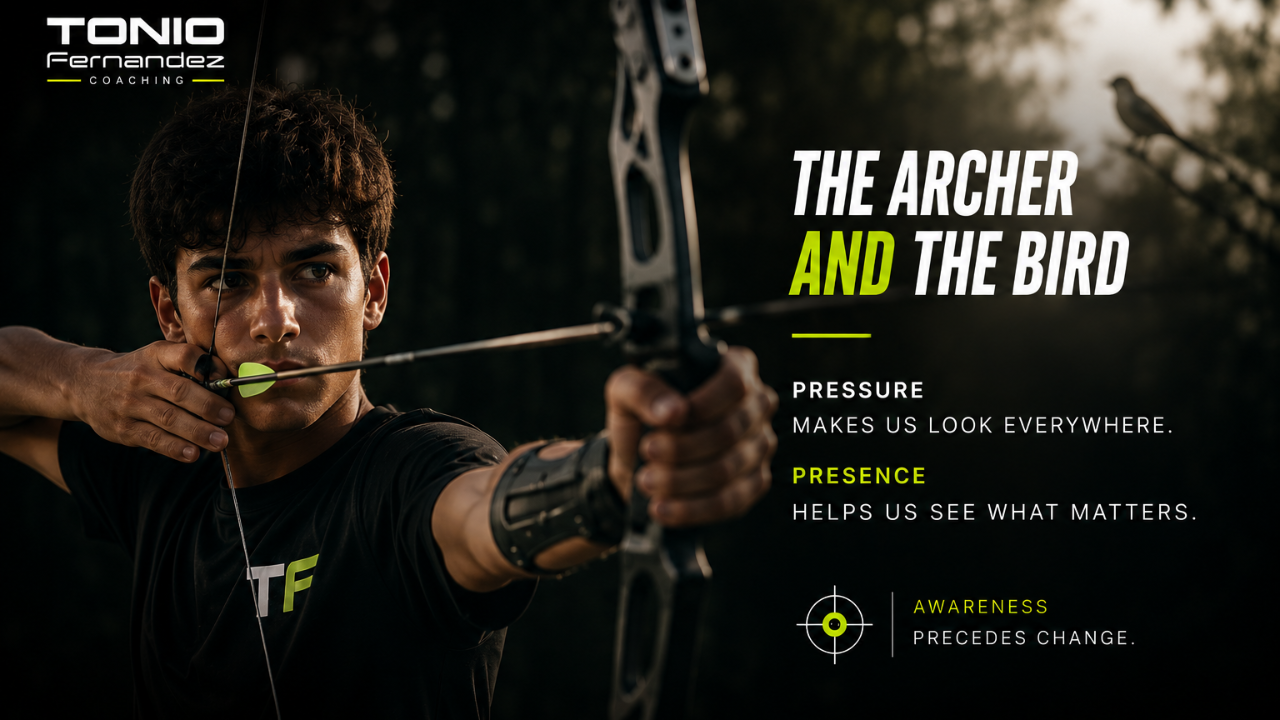
A young archer asked his teacher:
"How do I hit the target every time?"
The teacher pointed to a bird sitting on a tree and said:
"Watch."
The young archer stared at the bird.
"I see the wings, the feathers, the branches, the sky..."
The teacher shook his head.
"Too much."
Then he clo...
Part 4
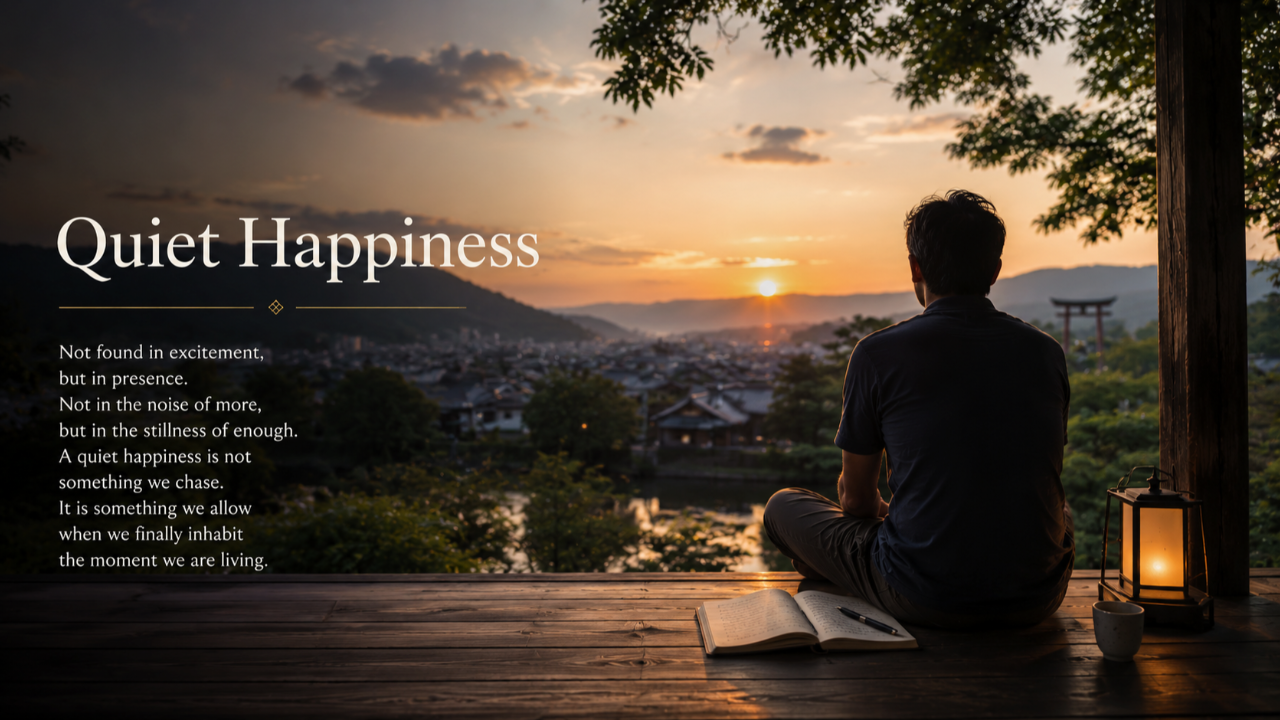
One of the deepest realizations I had during this trip was understanding my relationship with happiness.
I noticed that I do not experience happiness in an explosive or euphoric way.
I don’t jump with excitement.
I don’t constantly seek stimulation.
But underneath, there is something el...
Part 3
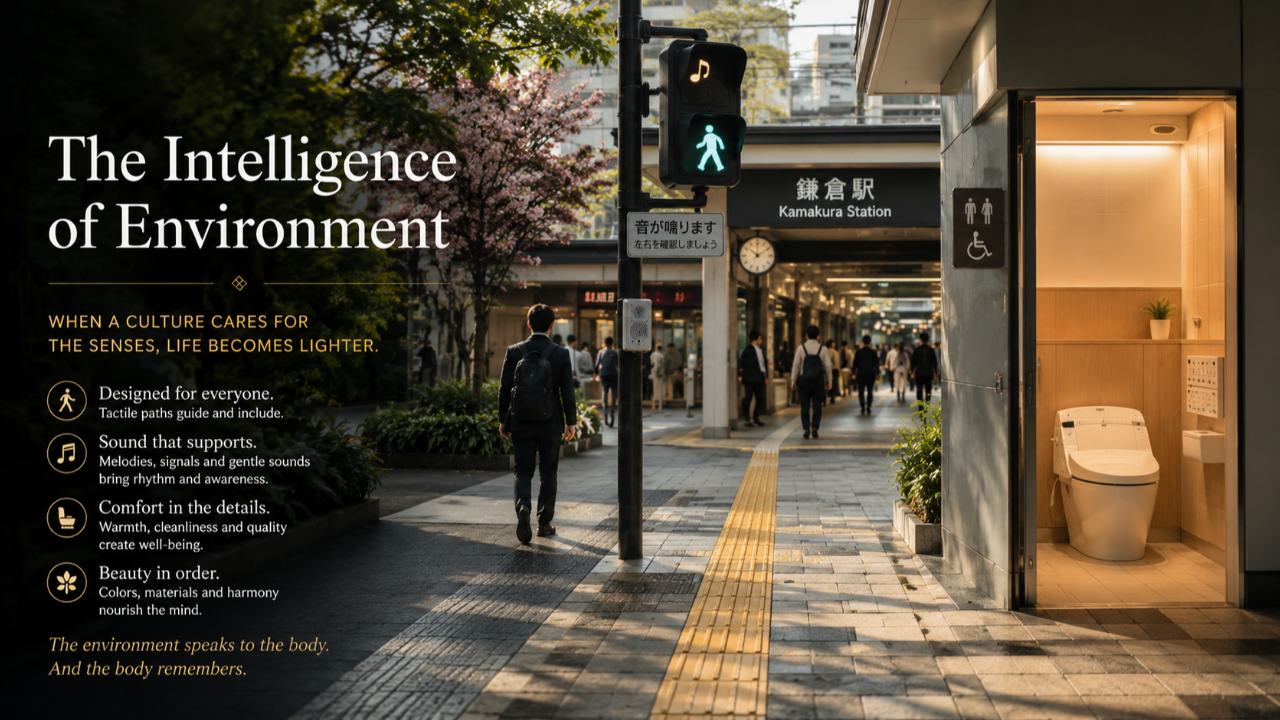
Another thing that deeply impressed me about Japan was the way the culture seems to care about the human sensory experience.
At first, they look like small details:
- tactile paving for blind people everywhere,
- soft melodies at train stations,
- sounds at pedestrian crossings,
- visual or...

Part 2
During the trip, I noticed something else.
At the famous torii paths and bamboo forests, many people were rushing through the experience. Walking quickly. Taking photos. Checking boxes. “I was here.”
And honestly, I realized I was doing the same thing.
We live in a world where experienc...

Part 1 — The Climb
The first day of the Kumano Kodo was difficult.
Not mentally at first — physically.
The climb was relentless. Uphill for hours. My legs burned. My body became heavy. At moments, I questioned why I was even doing it. What was the point of walking for six or seven hours through m...
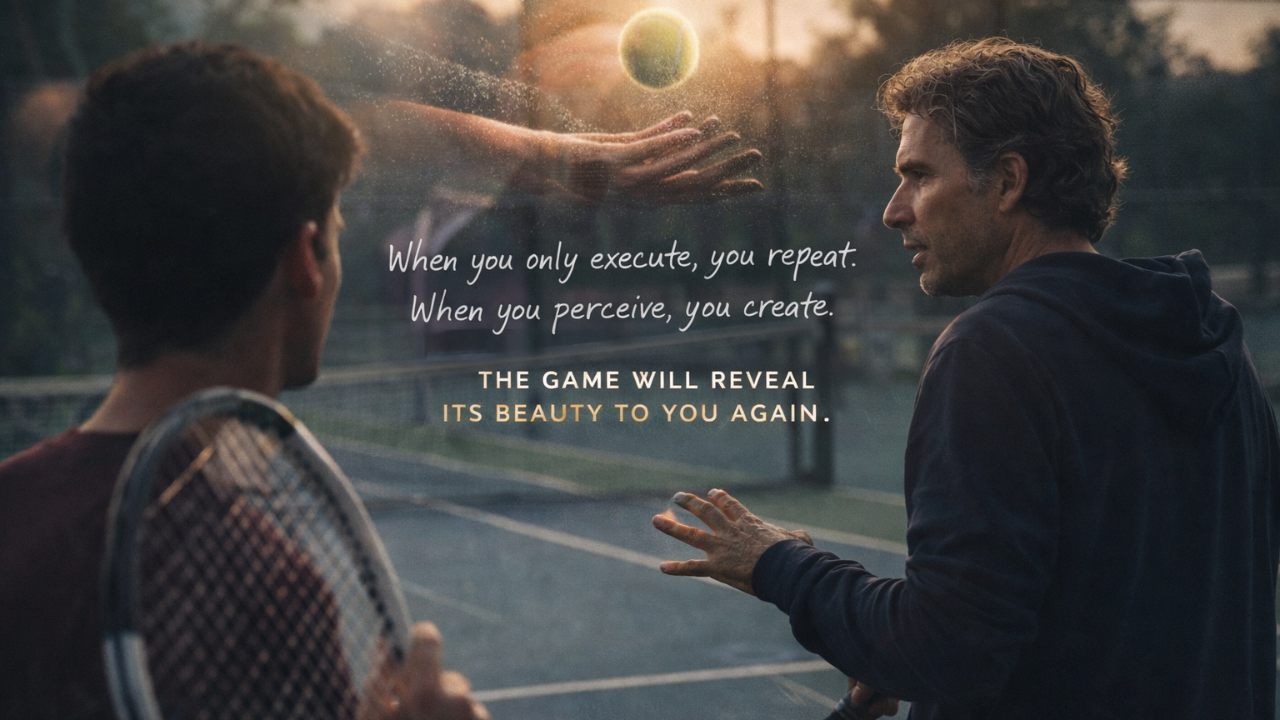
I see so many players miss the subtleties of the game…
the small nuances that turn it into an expression of art.
They understand the game…
but they don’t always feel it.
The variation of speed and height,
the control of depth,
the subtle differences in spin.
The management of tempo,
and the consta...